Gender in Casting Guide
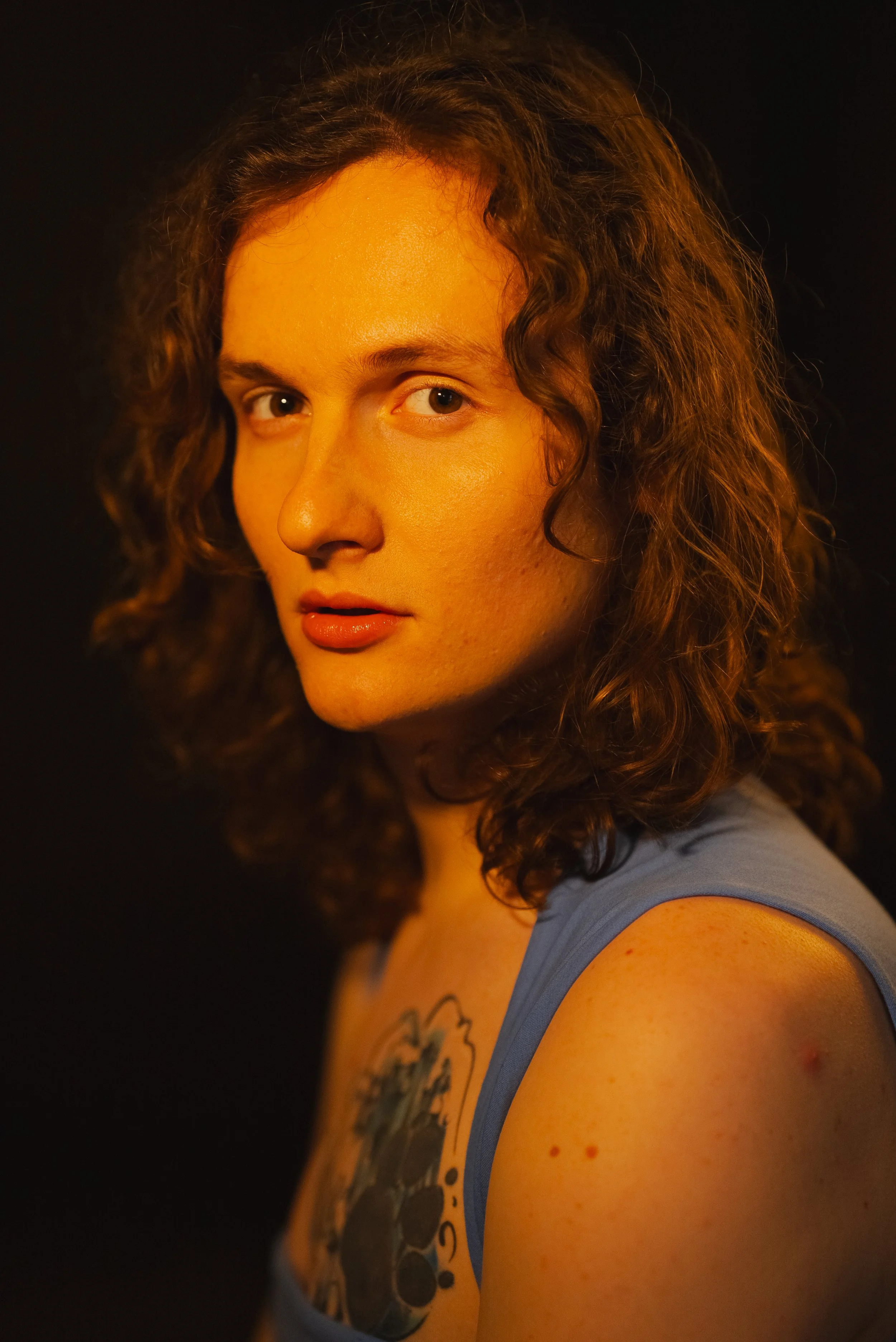

Trans & Non-Binary actors aren’t new - but the conversations around us are, especially in casting.
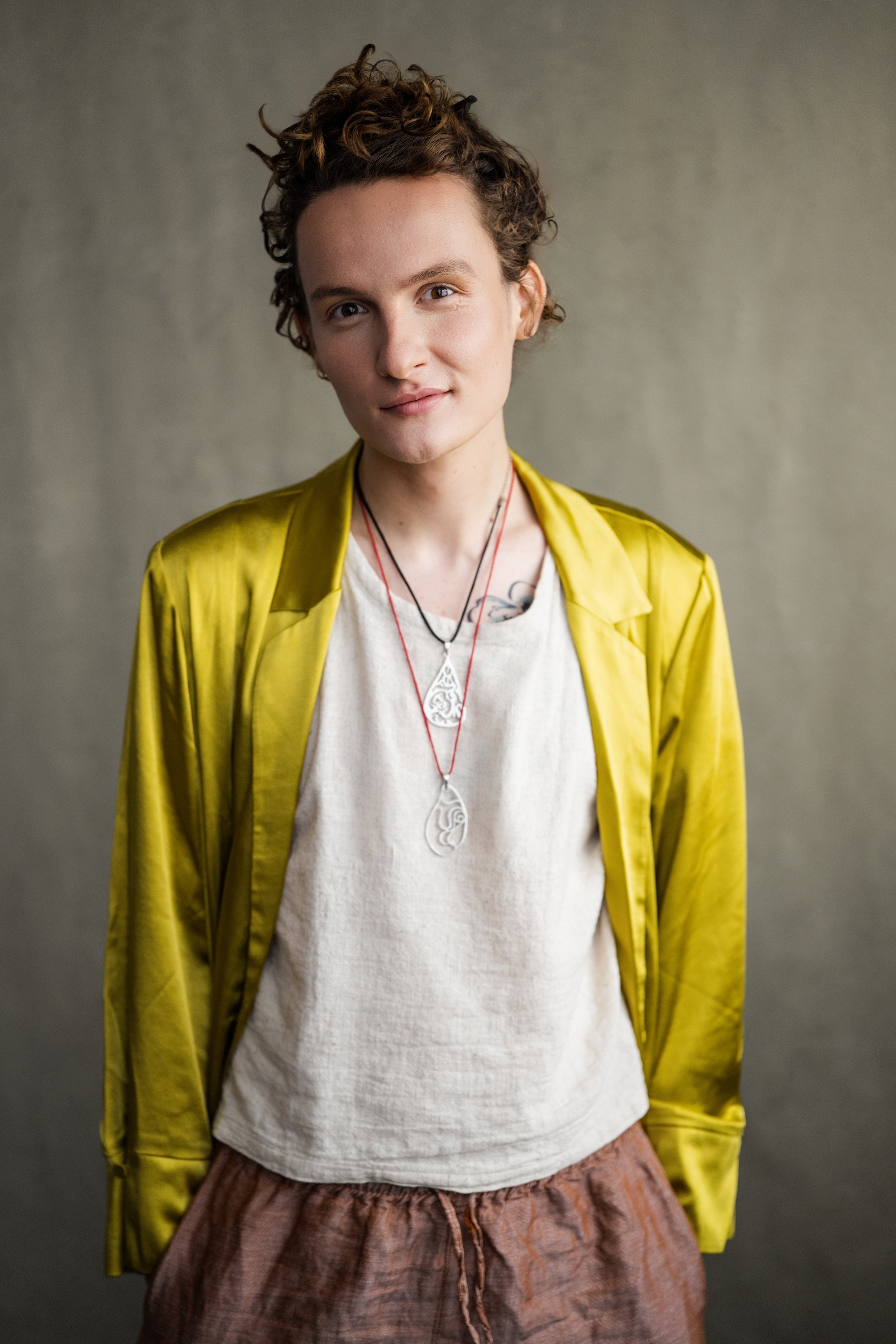

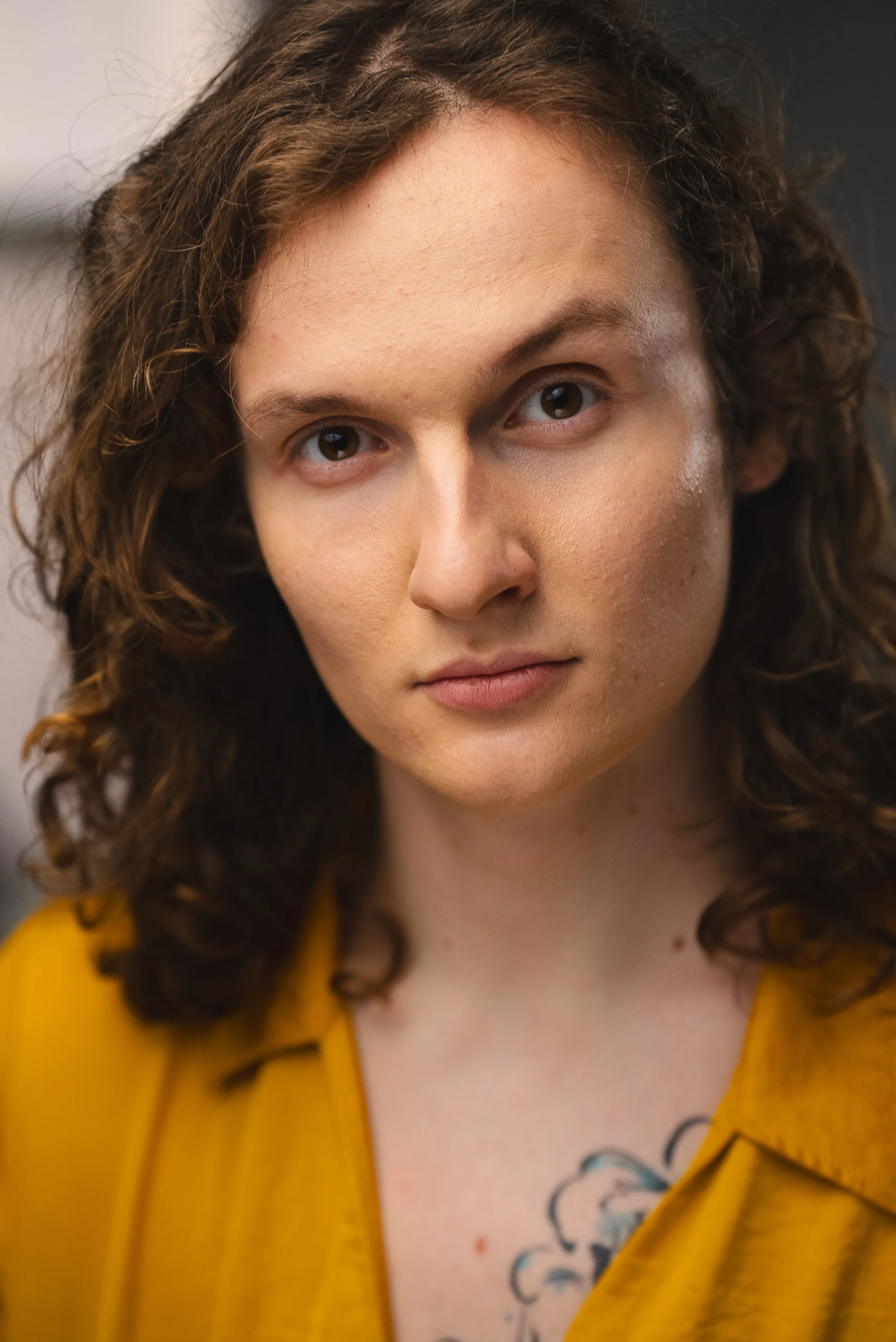
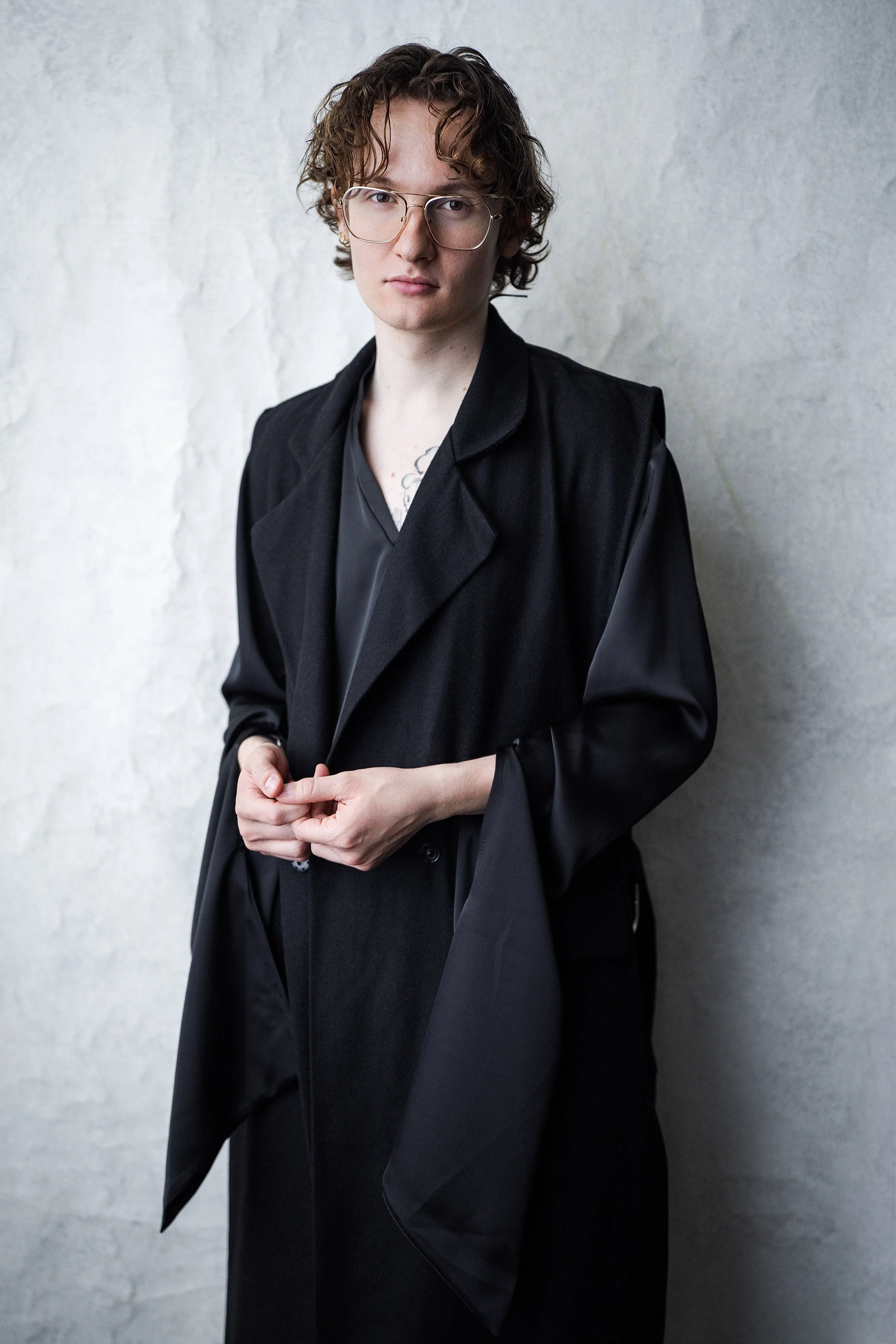
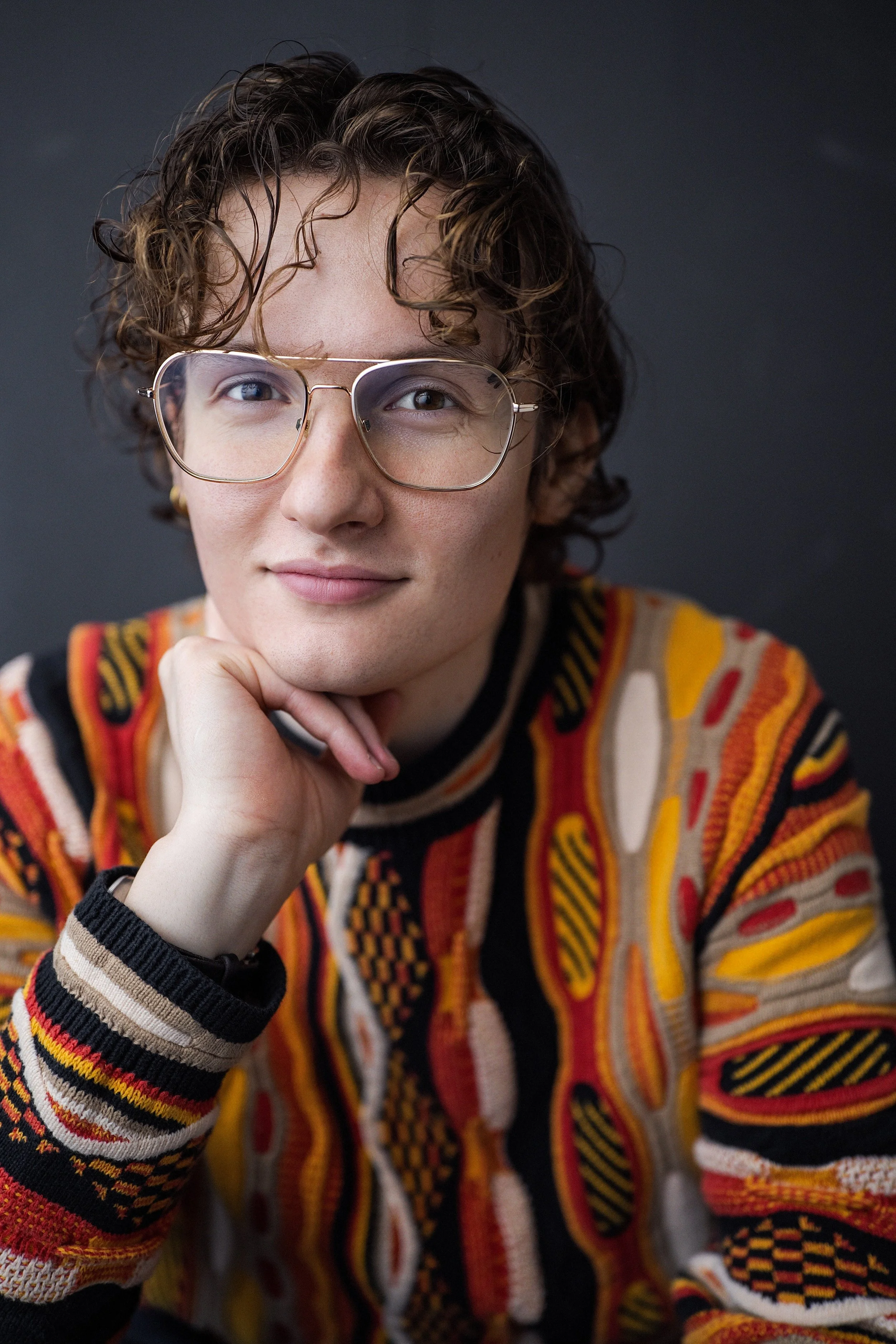
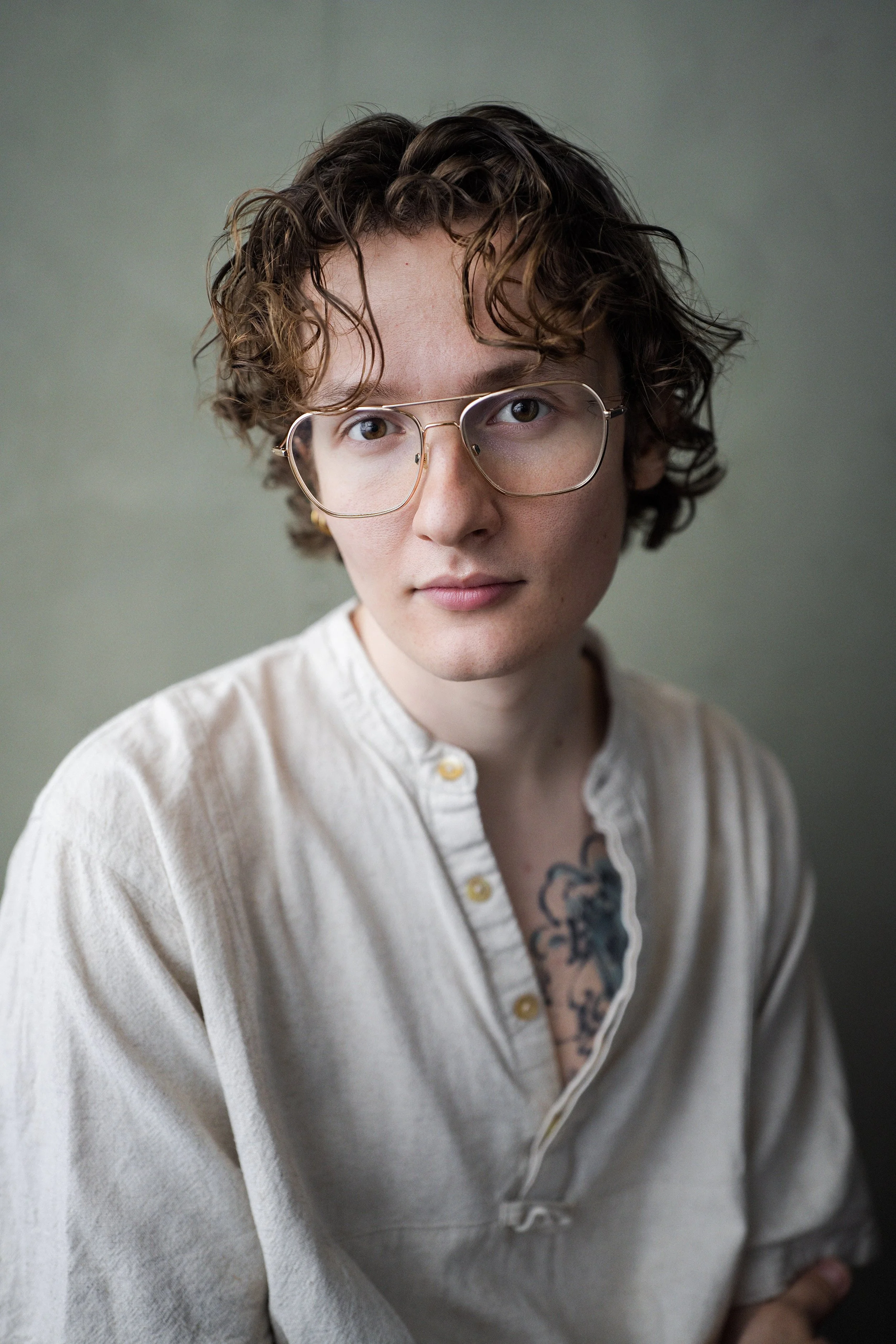
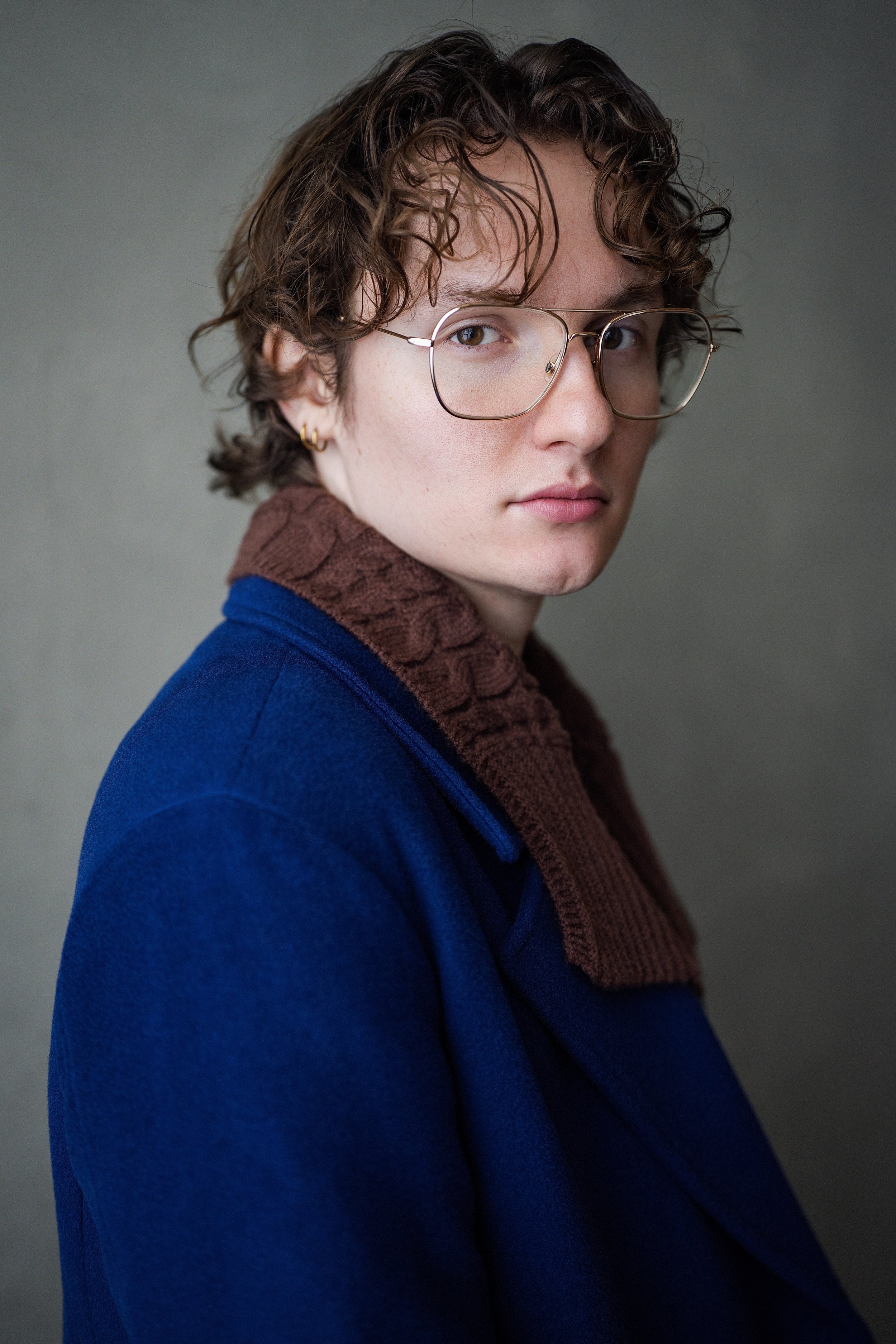
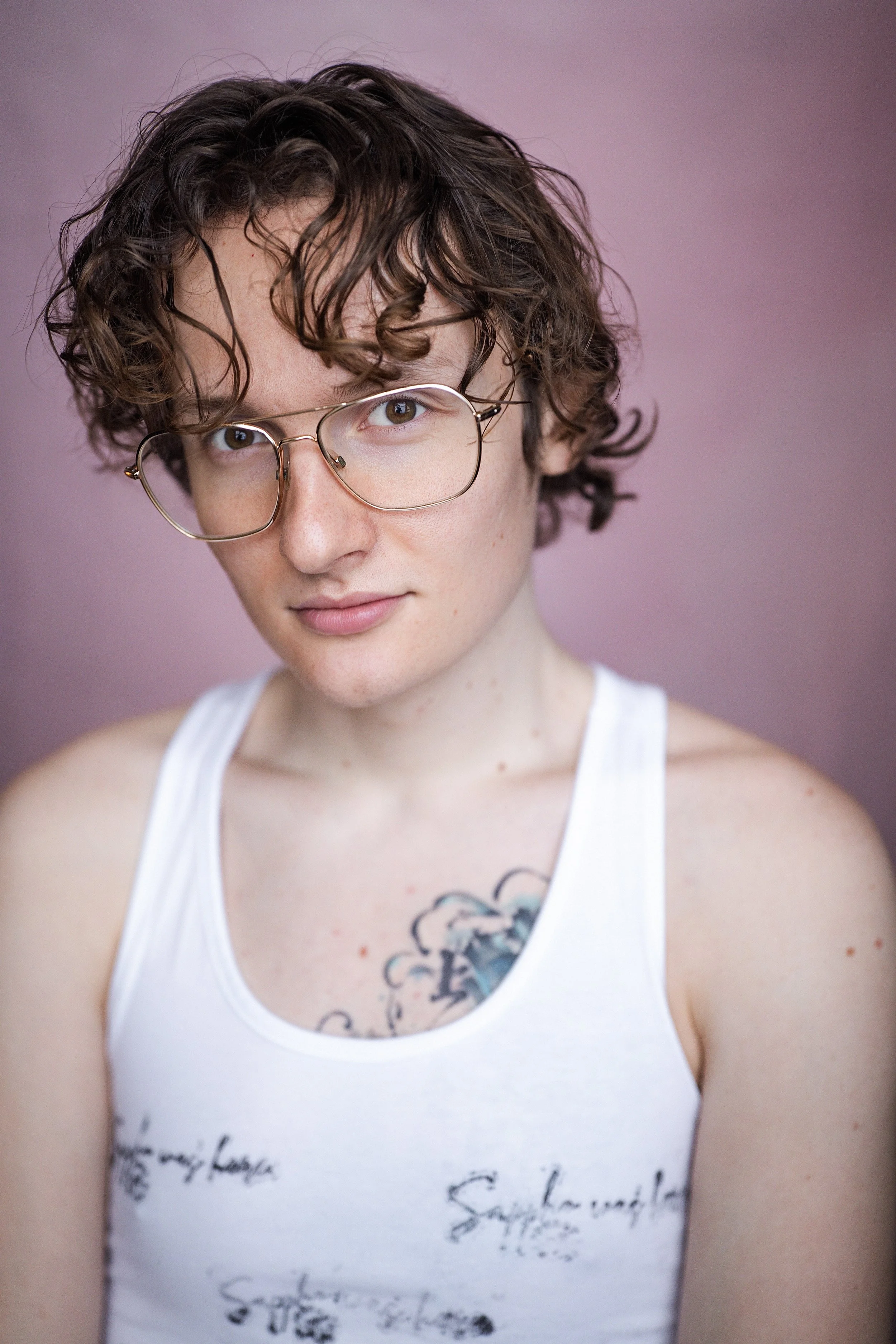
Every actor is unique, and that is never more true than when casting a gender non-conforming/non-binary actor. Personally, my north star for characters that I am interested in going for is a compelling story, a sense of humanity, and really bringing something with dimension to life.
What does that mean in simple, plain casting/breakdown terms?
That I don’t only play non-binary characters (because let’s face it, right now in our industry there are not enough of those characters to sustain a career), but that I also play men, trans women, and gender fluid women (if the writing/casting supports gender fluidity).
NON-BINARY: This is the easiest, because it’s my identity in day-to-day life. Whether it’s in a casting breakdown or creating characters for myself when writing/directing/producing, I’m really looking to expand the scope of non-binary characters in media and storytelling. However, it’s not just new characters. In much older works there are characters such as Puck in A Midsummer Night’s Dream, Ariel in The Tempest, and even the Witches in Macbeth whose nature lends itself to be played authentically by a non-binary actor. I’m also a firm believer that even if the character is written with a specific gender in mind, there’s no reason that they can’t be played as a non-binary character (unless the writing specifies otherwise) — especially if they’re a character that’s mostly serving a utility for the story: doctors, clerks, mechanics, lawyers, therapists, etc.
MEN: For the longest time, I really struggled with portraying men in media because it felt like I had to cram myself into a box. What I’ve really come around to is that playing men is a hidden superpower for me. Because the label/identity of a man isn’t something I carry in my regular life and I’ve spent a lot of time unpacking how society conditions men, that means I approach every character uniquely. What kind of man are they? How do they relate to masculinity, or ‘manhood’? This opens the door to a layer of depth that I believe is unique to my sensibilities as a non-binary actor. For example, the character of Lloyd in Maria Irene Fornes’ Mud is a brutish, vulgar and abusive domestic partner to his counterpart Mae. However, the undertone of his vulgarity and abusiveness is his nature as a terrified, abandoned child who was never taught how to take care of himself in even the most basic of ways, and when I work on that character I emphasize that childishness and a damaged relationship to masculinity. Or more traditionally, the character of John Buchanan Jr. in Tennessee Williams’ Summer and Smoke — John is a womanizer playboy who is desperately trying to cover up his heartfelt nature and sensitivity with flirtation and sex, and that contrast often goes overlooked when putting on the play. By casting someone like me who has a more sensitive outward appearance, this contrast is highlighted. These are just two examples in a sea of character archetypes and opportunities: artists, princes, outcasts, wizards, mythical creatures — the imaginative world of storytelling is too vast to put any limitations on how to approach characters.
WOMEN: Naturally, as a gender non-conforming actor, the most compelling niche that I can play is trans women, specifically pre-op trans women. Stories about the period of time in between coming out and seeking/beginning gender confirming care are rare, and sadly those opportunities have almost always gone to cisgender men. I think this damages the perception of trans women in society, because by casting someone who is an outsider to the trans community, it enforces the perception that these are "men who are pretending to be women”. By casting me (or other actors in the trans spectrum), you satisfy both the need to cast within the trans community and the needs of the storytelling which may require an actor who has not undergone top/bottom surgery. Beyond that niche, I have a lot of fun as an actor gender bending characters - this happens quite often in classical works such as Shakespeare and Chekhov, but can also be really compelling in contemporary work. For example, Sunday on the Rocks by Theresa Rebeck, where a group of women get drunk on a Sunday morning and unpack their experience of womanhood, is a great opportunity for this. By casting a non-cisgender woman, even though it’s not explicitly in the writing, the casting can tell a story about someone’s relationship to womanhood and internalized misogyny in a totally new way. My view is, unless the writing explicitly necessitates otherwise, there’s an opportunity, especially in theater where there’s historically more wiggle room with gender casting.
And as always, it’s an ongoing conversation. Nobody, not within the trans community or the folks outside of it who are engaging in conversations with us, has an objective hard-line rule on how this works. As an industry and artistic community, we’re figuring it out together. I’m always open to chatting or answering questions with representation, directors, casting, or producers, so reach out if you have a specific idea or thoughts in mind that you would like to discuss!